
Jase Scaffolding guide
NZ Scaffolding Guide: Safety Protocols, Ratios & WorkSafe Compliance
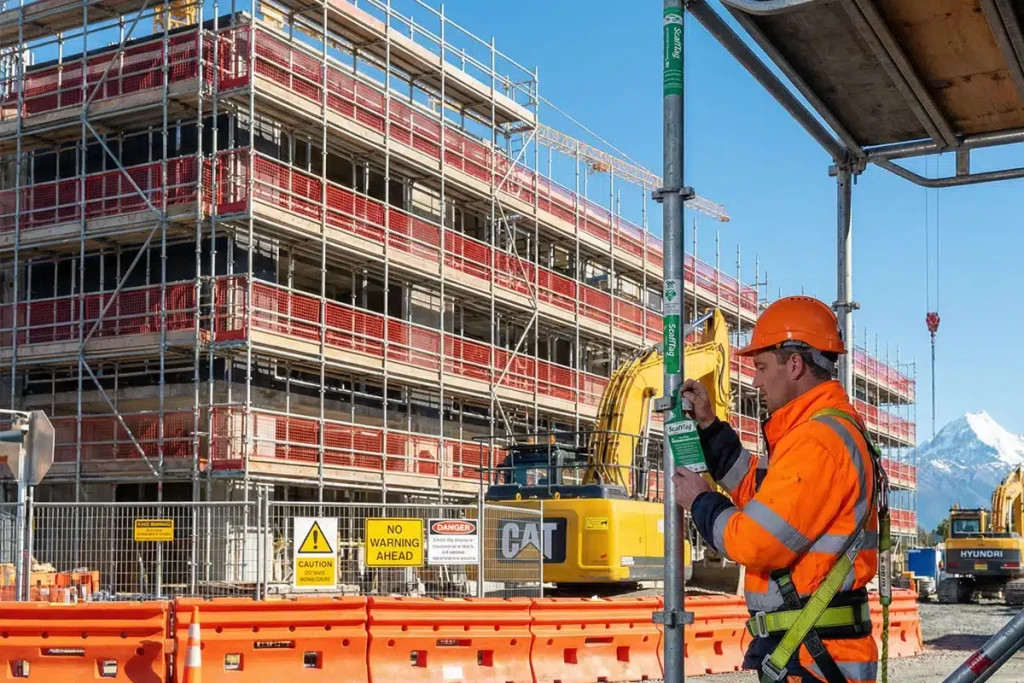
Running a safe site in New Zealand means understanding the risks and following the legal rules, not just using scaffolding materials. A scaffolding guide helps site managers and homeowners know what safety standards to follow. By making the right decisions, you can protect workers and avoid costly mistakes.
This scaffolding guide explains the steps you need to take to comply with WorkSafe rules and improve safety on your site. It connects common scaffolding practices with legal requirements, helping you stay on track. Following clear processes can reduce risks and protect your business from legal problems in 2026.
Understanding the 5-Meter Rule
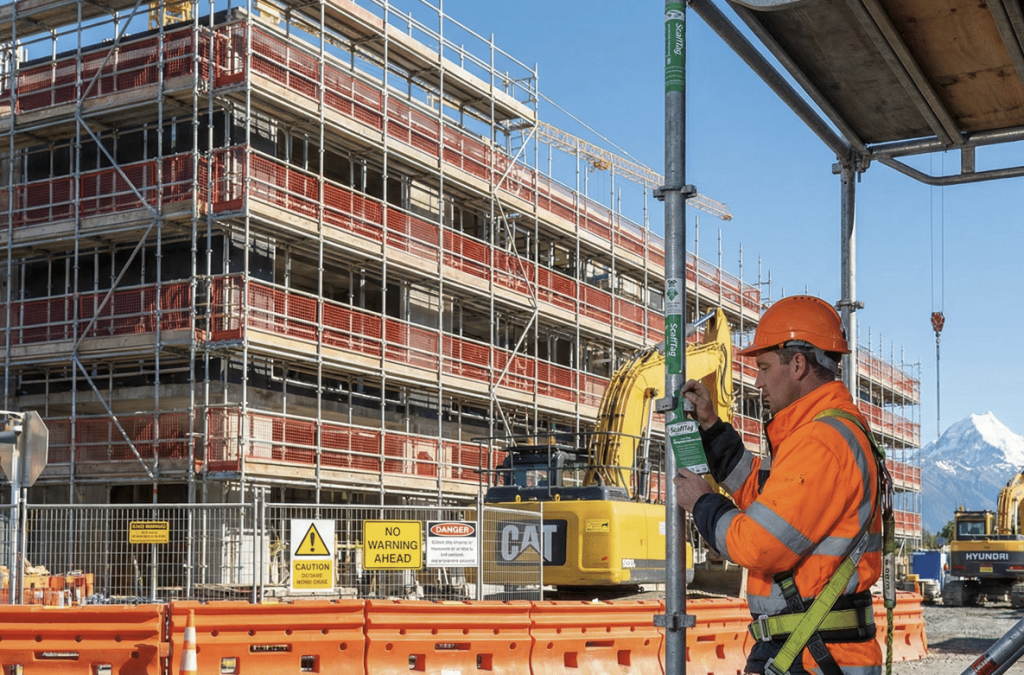
When it comes to scaffolding, the 5-meter rule is an important safety guideline. Here’s a breakdown of what it means:
- Any scaffold where a person can fall from a height of 5 metres or more is classified as “Notifiable Work.”
- This type of work must be completed by a certified scaffolder who holds the appropriate NZ Certificate in Scaffolding (Level 3 or 4).
- The person responsible for the scaffolding must ensure all work is erected, altered, and dismantled according to safety standards.
Scaffolding under 5 metres still benefits from being set up by a certified professional. Using a scaffolding guide ensures the work is safe and meets legal standards. Hiring a certified scaffolder helps prevent accidents and protects everyone on site from risks and fines.
Scaffolding Stability And The 3:1 Rule
The 3-to-1 rule is a key guideline for ensuring scaffolding stability. This rule applies to mobile or free-standing scaffolds, where:
- The height of the scaffold should never exceed three times the width of the base.
- This ratio helps prevent the scaffold from tipping over and keeps it stable during use.
If scaffolding needs to be taller than the 3:1 ratio allows, additional safety measures are necessary:

- Outriggers must be used to widen the base of the scaffold.
- Alternatively, the scaffold should be tied securely to the building structure.
Adhering to the 3:1 rule keeps scaffolding safe and stable, even in bad weather or heavy use. Failing to follow this rule can lead to accidents or injuries. Always use the 3:1 ratio when setting up scaffolding.
ScaffTags And Weekly Inspections
Scaffolds can only be used when they are clearly marked as safe, as explained in any scaffolding guide. In New Zealand, the ScaffTag system makes it easy to check if scaffolding is safe for use. A Green ScaffTag shows the scaffold is safe, while a Red ScaffTag means the scaffold is unsafe and access is not allowed.
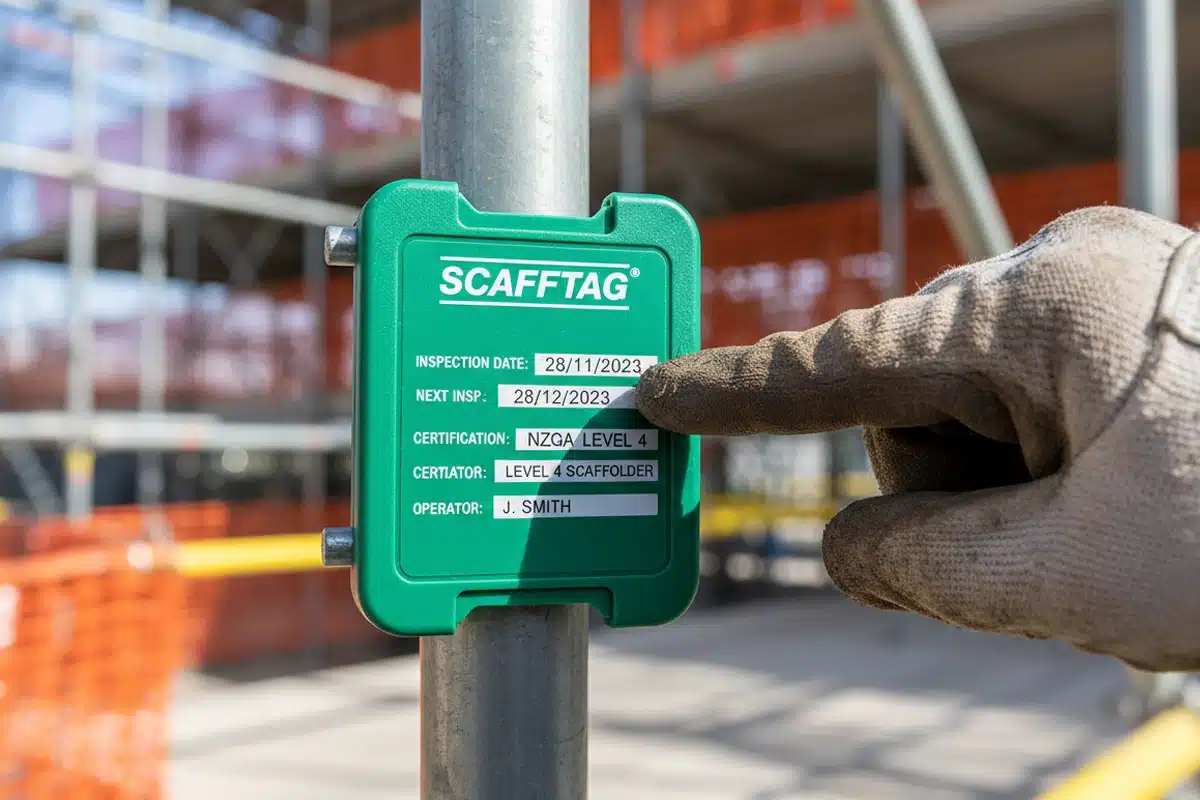
ScaffTag markings are a legal requirement, not just a formality in a scaffolding guide. Workers must always check the tag before using the scaffold, even if it was used earlier. Supervisors and managers are responsible for ensuring the tags are visible, updated, and placed at the right entry point.
Mandatory Inspection Schedule
Scaffolding should be checked regularly to keep it safe during the project, as stated in a scaffolding guide. Inspections help identify any problems caused by weather, loading, or site conditions. Regular checks make sure loose parts, missing pieces, or damage are fixed quickly.
Scaffolds must be inspected and tagged:
- Before first use, to ensure proper erection.
- At least once every seven days while in use.
- After storms, strong winds, or any event that could affect stability.
Competency and Record Keeping
Scaffold inspections require a trained and experienced person following a proper scaffolding guide. Knowledge of how to check for broken parts, missing boards, or any instability is essential to keep workers safe. Unqualified personnel performing inspections can put lives at risk and leave the business open to WorkSafe penalties.
Keeping detailed records of inspections ensures the ScaffTag accurately reflects the scaffold’s status. Up-to-date documentation proves safety checks have been completed and helps monitor ongoing issues. Missed or overdue inspections often trigger immediate action from WorkSafe and can result in work being stopped on site.
Core WorkSafe Scaffolding Rules
Construction sites must follow strict safety rules when working with scaffolding. WorkSafe focuses on preventing falls, controlling falling objects, and keeping all scaffold structures secure at all times.
Planking Requirements
Platforms must be fully planked to provide a safe working surface, without gaps that could allow tools, materials, or feet to fall through. Boards need to be secured to prevent uplift caused by wind, vibrations, or accidental movement. Regular inspections ensure planks remain safe and meet WorkSafe standards.
Damaged or unstable boards require immediate replacement to avoid accidents. Scaffolds should be checked after storms, high winds, or heavy use. Maintaining clear inspection records helps track maintenance and demonstrate compliance.
Guardrails And Edge Protection
Every working platform must have complete edge protection to prevent falls. Key components include:
- Top guardrails are roughly 1 metre high
- Mid-rails to reduce the risk of falling
- Toe boards to stop tools or materials from falling onto people below
Even short-term or single-day tasks must meet these safety standards. Regular checks confirm all rails and boards remain correctly installed. Missing or damaged protection can lead to serious breaches and enforcement action by WorkSafe.
Screening And Public Protection
Scaffolding near footpaths, roads, or public areas must have safety features to protect people. Debris netting or ScreenSafe systems are used to stop items from falling and to reduce dust or debris spreading.
- Debris Netting or ScreenSafe: Install these to prevent objects from falling onto people.
- Stops Dust and Debris: Screening helps keep the area cleaner and safer.
- Regular Inspections: Check the screening regularly to make sure it’s working. Replace it if it’s damaged.
WorkSafe inspectors check scaffolds near public areas. If screening is not maintained, work could be stopped, and fines may be given. Regular checks and good planning are needed to follow safety rules.
Cheap Scaffolding: Hidden Liability Risks
Low-cost scaffolding can be dangerous. Weak materials and missing safety checks increase the chance of accidents. Using unsafe scaffolds can also cause fines, delays, and other problems on-site.
Quality scaffolding is more than metal poles and boards—it is a controlled safety system. Properly designed and maintained scaffolds protect workers, pedestrians, and site equipment from harm. Regular inspections, correct installation, and certified components are essential to meet legal standards.
Who Bears the Legal Responsibility
PCBU (person conducting a business or undertaking) is responsible for scaffold safety under the Health and Safety at Work Act (HSWA). Businesses cannot give this responsibility to contractors or unlicensed workers. WorkSafe enforces the rules, and the business in charge will be held accountable if scaffolds are not safe.
Here’s what businesses need to ensure:
- Ensure scaffolding meets safety regulations.
- Keep responsibility for safety, not contractors or unlicensed workers.
- Avoid using uncertified or second-hand equipment to prevent fines.
- Make sure qualified professionals manage scaffolding planning and safety checks.
Risks of Cutting Corners on Safety
Using uncertified scaffolds or inexperienced labour can have severe consequences:
- Accidents and injuries, sometimes resulting in serious harm
- Financial penalties for breaching safety regulations
- Insurance complications, as claims may be denied for non-compliance
- Project delays caused by failed inspections or work stoppages
Even small oversights can escalate into costly incidents. Maintaining compliance reduces these risks and ensures the site operates safely and efficiently.
Professional Scaffolding Solutions
Engaging certified scaffolding providers guarantees compliance and peace of mind. Benefits include:
- Proper handover documentation for each scaffold
- Scheduled inspections and maintenance
- Compliance with WorkSafe and HSWA requirements
Using professional scaffolding lets site managers focus on the work while keeping everyone on site safe.
Ensuring Safety with Professional Scaffolding
Safety on every site depends on certified scaffolders who follow strict standards. A clear scaffolding guide helps identify risks, maintain stability, and ensure compliance with WorkSafe regulations. Prioritising professional scaffolding keeps workers safe, projects on track, and ensures legal compliance.
Working with Jase Scaffolding means handing over the responsibility for inspections, handovers, and safety checks to experts. Certified scaffolders handle setup, maintenance, and all necessary documentation to meet regulations. Knowing your scaffold is secure and compliant gives peace of mind, allowing your team to focus on the work.
Frequently Asked Questions
Here are answers to some common questions about scaffolding safety and regulations. These FAQs will help clarify important points for workers and site managers.
What are the rules of scaffolding in WorkSafe?
WorkSafe has strict guidelines to ensure scaffolding is safe and secure. Scaffolds must be stable, with proper guardrails and secure planking to prevent falls. Regular inspections are required to meet safety standards and avoid accidents.
What is the 3-to-1 rule for scaffolding?
The 3-to-1 rule states that the height of scaffolding should never exceed three times the width of the base. This ensures the scaffold remains stable and prevents tipping. If taller scaffolding is needed, outriggers or ties to the building should be used for added support.
How to find scaffolding requirements?
Scaffolding requirements can be found in WorkSafe NZ guidelines and the scaffolding guide. Regulations cover everything from the height of scaffolds to necessary safety features. Consulting a certified scaffolder can also provide advice based on specific project needs.
Do I need a certified scaffolder for a small project?
A certified scaffolder is needed for any project where the risk of falling is present. Even small scaffolding setups should meet the legal safety standards. Hiring a professional ensures the scaffolding is safe and compliant with regulations.
How often should scaffolding be inspected?
Scaffolding must be inspected before its first use and weekly while in use. Inspections should also be done after any storm or extreme weather event. Regular checks ensure scaffolding remains safe and compliant throughout the project.