
Jase Scaffolding guide
Commercial Scaffolding Services: Why 2025 Projects Demand Expert Compliance
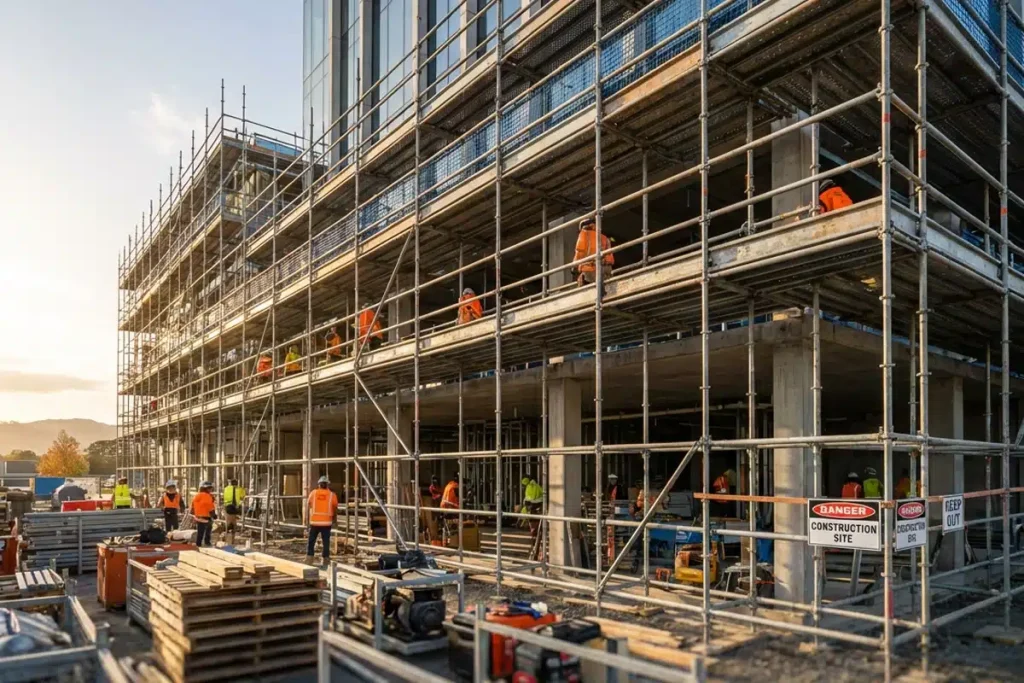
Site teams often treat access as a small line item until a missed delivery slot, a blocked crane lane, or a late inspection creates a programme gap. Once that happens, commercial scaffolding services stop feeling optional and start looking like a risk item that touches safety, cost, and reputation. Strong planning at the tender stage keeps the build moving and reduces the number of last-minute variations.
Busy sites in regional centres also face tighter public expectations, not just council and client requirements. Modern builds demand clear documentation, competent installers, and a layout that supports multiple trades without constant rework. This blog sets out what commercial scaffolding services should include in 2025, then explains the compliance shift, practical stability checks, and realistic cost drivers.
Understanding Commercial Scaffolding Versus Residential
Construction projects require scaffolding tailored to the scale and complexity of the work. Residential and commercial scaffolds serve very different needs in terms of height, load capacity, and safety requirements.
Residential Scaffolding: Practical And User-Friendly
Residential scaffolding is ideal for smaller-scale projects where speed, flexibility, and safety are priorities. It is commonly applied to home renovations, exterior painting, or low-rise extensions where minimal disruption and easy assembly are desired. Features that define residential setups:
- Height and Reach: Suitable for one or two storeys, making it practical for smaller buildings.
- Load Capacity: Holds a few workers and lightweight materials such as timber, brushes, or small tools.
- Setup Process: Modular components allow fast assembly and disassembly without specialised skills.
- Flexibility: Can be repositioned easily to adapt to different areas of the property.
Commercial Scaffolding: Robust Structures for Larger Sites
Projects involving multi-storey buildings, industrial sites, or commercial developments require scaffolding capable of meeting complex demands. Professional commercial scaffolding services provide structures capable of supporting heavier loads, multiple trades, and stringent safety requirements. Key characteristics of commercial scaffolds:
- Height and Reach: Reaches multiple storeys to provide secure access for workers on large buildings.
- Load Capacity: Supports numerous personnel, machinery, and pallets of building materials simultaneously.
- Engineering Standards: Designed by certified professionals to meet strict health and safety requirements.
- Long-Term Reliability: Constructed to endure extended use and maintain stability under heavy loads.
Guide to Scaffold Load Ratings
Scaffolding is essential for safe and efficient commercial construction. Using the right system prevents accidents and supports both workers and materials.
Light Duty
Light-duty scaffolding hire is ideal for small-scale tasks involving a single worker and light tools. It is commonly used for interior maintenance, painting, or minor repairs on low-rise buildings, offering quick assembly and easy relocation.
Even for light work, safety cannot be overlooked. Regular inspections, proper setup, and adherence to weight limits ensure compliance with New Zealand scaffolding regulations and reduce the risk of accidents.
Medium Duty
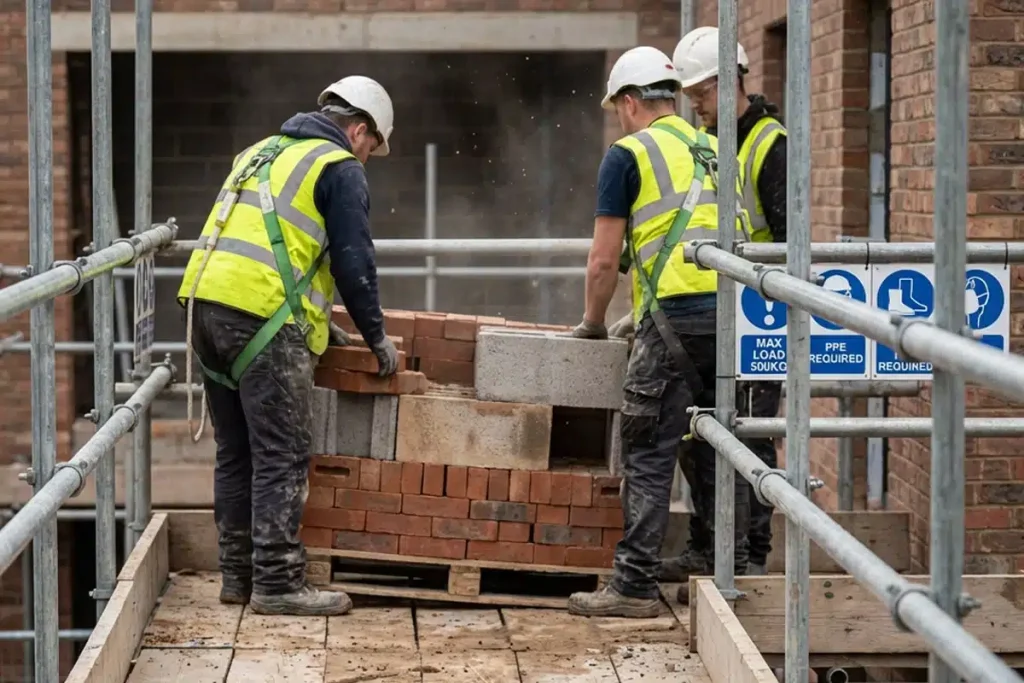
Medium-duty scaffolding supports multiple workers and moderate material loads. It is well-suited to tasks such as installing windows, internal fittings, or minor brickwork on multi-storey buildings, providing a balance of stability and flexibility.
Site managers must carefully monitor platform spacing and load distribution when multiple tradespeople are working. Professional assembly and routine inspections maintain structural integrity while keeping workers safe.
Heavy Duty
Heavy-duty scaffolding can handle several tradespeople plus pallets of bricks, blocks, or other building materials, making it essential for large commercial projects. Proper design and installation are critical to ensure stability under heavy loads.
Engaging commercial scaffolding services guarantees expert planning, safe assembly, and regulatory compliance. Correct anchoring, tie-ins, and load management protect both personnel and the public, particularly in busy commercial areas.
2025/2026 Scaffolding Compliance Updates
Regulatory updates are particularly important when certificates of competence, categories, and definitions change. Sites must ensure the correct person signs off on the appropriate scaffold system. The Health and Safety in Employment (Scaffolding) Amendment Regulations 2025, coming into force on 20 October 2025, revise scaffolding definitions and link competence requirements to current industry practice.
Compliance now relies more on documented evidence than on general assurances. Teams must understand and implement these updates to maintain safe and efficient projects. Engaging commercial scaffolding services can help ensure that the latest regulatory changes are fully adhered to.
What Site Leaders Should Watch
Compliance in 2025 and 2026 will lean on evidence, not just assurances, so documentation should stay ready:
- Clear scope notes that describe the system, duty class, access points, and tie approach
- Competence evidence aligned to the category of scaffold installed, not a general claim
- Inspection routines that match guidance and site risk, plus records that stand up to scrutiny
Complex commercial builds also use specialised systems such as suspended scaffolds, cantilevered decks, and constrained tie designs around glazing, heritage façades, or traffic routes. Expertise shows in the quality of the method statement, the inspection discipline, and the ability to coordinate with engineers, councils, and other trades without slowing progress.
The 3-to-1 Rule: A Quick Stability Check
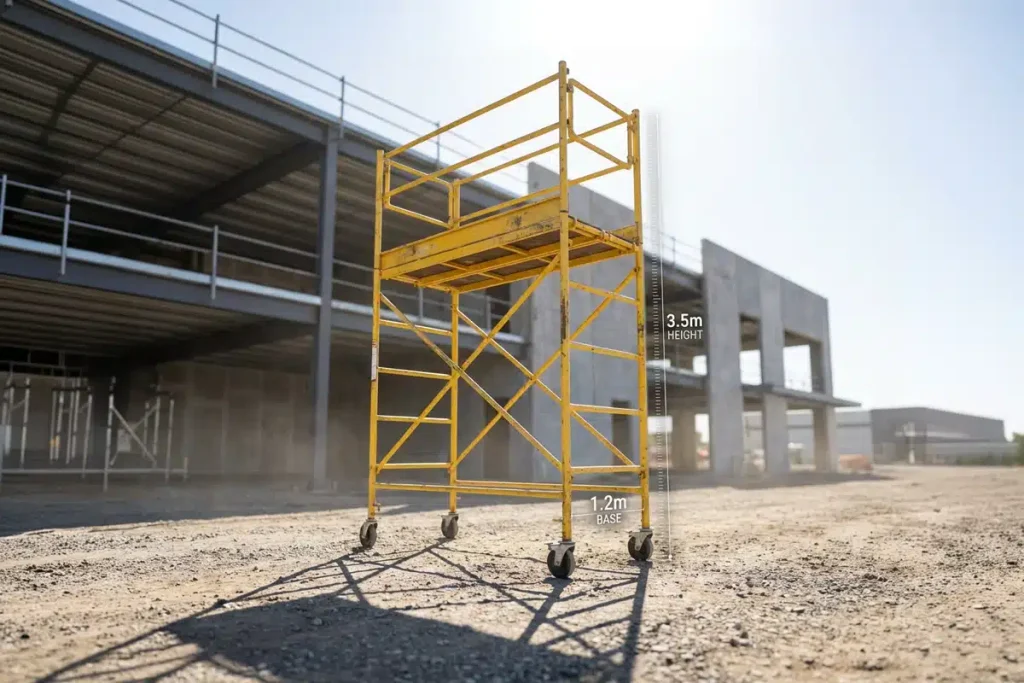
Site managers often need a quick check to spot potential hazards before work begins, especially when mobile towers are on busy decks. The 3-to-1 Rule for scaffolding provides a straightforward way to highlight unsafe height practices. Even though it cannot replace a full scaffold plan, it encourages consistent safety practices across shifts and subcontractors.
Measuring Safe Tower Heights
Free-standing mobile towers should not exceed three times their narrowest base. For example, a 1.2-metre-wide tower generally remains under 3.6 metres unless stabilisers, outriggers, or structural tie-ins are used. Wind, uneven ground, and live loads can all affect stability, so this rule serves as a preliminary safety check rather than a final determination.
Keeping Taller Scaffolds Secure
High-rise scaffolds require more than free-standing towers for stability. Tying the scaffold into the building prevents toppling, reduces sway, and keeps platforms steady for workers. Professional commercial scaffolding services ensure these tie-ins are planned and executed correctly to maintain safety and compliance.
Points to keep in mind when planning tie-ins:
- Selecting secure anchorage points compatible with the building façade
- Avoiding interference with cladding or waterproofing
- Coordinating installation to allow safe access for other trades
Projects needing very tall access often use engineered façade scaffolds or purpose-built towers with controlled base widths and tie patterns. Proper planning protects workers and minimises the risk of sudden stop-work orders during inspections.
Factors Affecting Scaffolding Hire Costs in NZ
Costs for commercial scaffolding services in New Zealand depend on the specific needs of each project. Accurate budgeting requires careful consideration of site conditions, hire duration, and the structure’s complexity, especially for larger projects.
Project Duration
Scaffold hire length directly impacts overall expenditure. Extended hire periods often reduce weekly rates, while shorter-term projects can incur higher charges due to setup and removal.
- Long-Term Hire Savings: Extended scaffold hire frequently results in a lower weekly rate.
- Short-Term Costs: Short projects may incur higher per-week charges due to setup and dismantling requirements.
- Optimised Scheduling: Coordinating scaffold use with project phases can reduce unnecessary expenditure.
Site Access
Ease of access to a construction site significantly influences cost. Clear locations allow straightforward delivery, while tight or restricted areas require extra labour and careful planning.
- Easy Access: Transporting equipment by truck to an unobstructed site minimises labour and handling time.
- Challenging Access: Manually moving scaffolding through narrow spaces or uneven terrain increases costs.
- Preparation Requirements: Limited-access sites may require specialised equipment or additional planning.
Project Complexity
Design and added features of scaffolding play a major role in determining price. Custom engineering, protective coverings, or specialised structures all contribute to higher labour and materials costs.
- Custom Solutions: Irregular building shapes or high-wind areas may require engineered scaffolds.
- Weather Protection: Adding shrink-wrap or protective coverings affects total pricing.
- Special Requirements: Features such as cantilevered decks or suspended scaffolds increase complexity and overall cost.
Considering hire duration, site access, and complexity helps ensure commercial scaffolding services remain efficient, safe, and cost-effective for any project.
Benefits of Professional Scaffolding Services
Hiring professional scaffolding services brings experience and precision to every stage of a construction project. Certified scaffolders handle complex structures, tie-ins, and public safety measures efficiently, helping sites remain safe and compliant.
Advantages of working with expert providers:
- Certified Expertise: Professionals manage suspended scaffolds, cantilevered decks, and other high-risk structures with confidence.
- Full-Service Capability: From installation to maintenance and dismantling, scaffolding is handled efficiently and safely.
- Local Knowledge: Awareness of city regulations, site access, and urban safety requirements reduces delays and ensures smooth operations.
Engaging professional commercial scaffolding services minimises project risks, keeps construction schedules on track, and ensures adherence to the latest safety regulations.
Keep Sites Moving Without Drama
Strong access planning keeps trade flow steady and reduces last-minute changes that damage margins. Clear competence, good documentation, and disciplined inspections support safe work at height in busy town settings. Better outcomes follow when commercial scaffolding services align with the programme and the site’s real risks.
Reliable partnerships matter once the build reaches the stage where multiple trades share the same elevation. Jase Scaffolding can support complex commercial access needs with disciplined planning and a focus on compliance. Steady delivery, clear communication, and fit-for-purpose design help protect schedules and reduce avoidable downtime.
Frequently Asked Questions
Scaffolding plays a vital role in commercial construction projects. Following key rules and safety requirements helps keep work efficient and compliant.
What Is Commercial Scaffolding?
Commercial scaffolding is designed for large-scale construction projects and can support multiple workers and heavy materials. It differs from residential scaffolding in both strength and complexity.
How Much Does Scaffolding Cost In NZ?
Scaffolding costs vary depending on project size, duration, and complexity. Site access and special requirements can also affect the final price.
What Is The 3-To-1 Rule For Scaffolding?
The 3-to-1 Rule limits a free-standing mobile tower’s height to three times its minimum base width. It is a quick safety check and does not replace a full engineered plan.
Do I Need A Certified Scaffolder For Commercial Projects?
Yes, commercial scaffolds must be installed and inspected by certified personnel. This ensures compliance with regulations and protects workers on-site.
How Do Ties Improve Scaffold Stability?
Ties anchor scaffolds to the building structure, reducing sway and preventing toppling. They are essential for higher or complex commercial scaffolds where free-standing towers are unsafe.