
Jase Scaffolding guide
How Residential Scaffolding Helps Homeowners Carry Out Renovation Work
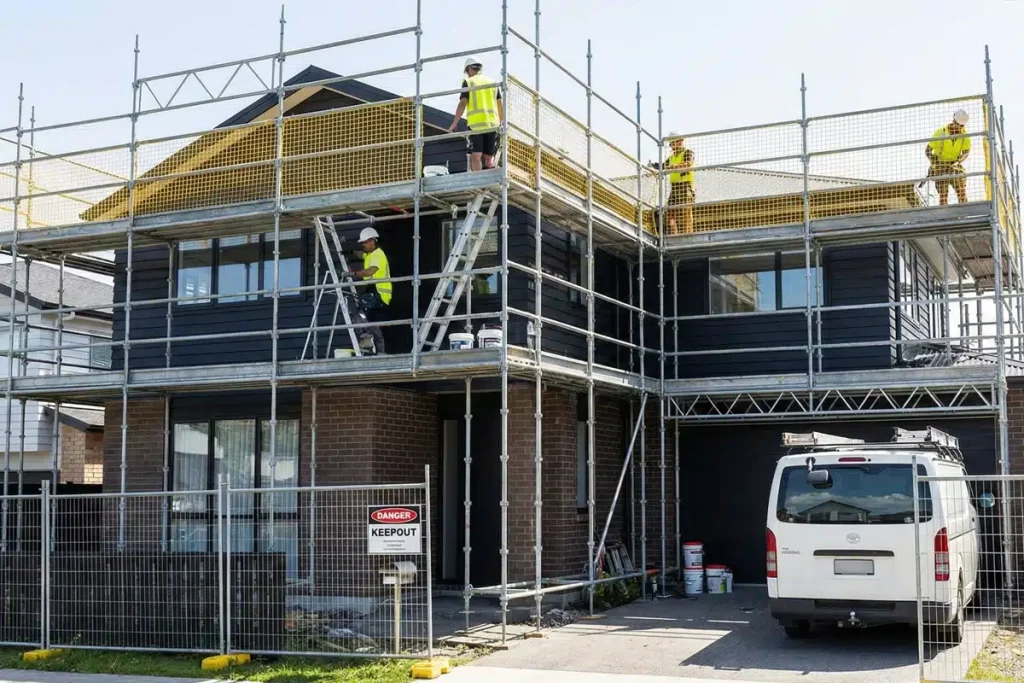
Renovating a home can be difficult, especially when parts of the structure are high or awkward to reach. Even minor updates to gutters, windows, or exterior paint can become time-consuming and unsafe without residential scaffolding in place. Having a reliable working platform gives homeowners a clear advantage throughout any renovation process.
Home projects often require moving tools and materials across uneven surfaces, which can cause delays and increase the risk of injury. Residential scaffolding offers secure platforms and reliable access, allowing renovation work to proceed safely and efficiently. This blog highlights how residential scaffolding supports smooth and practical completion of projects from start to finish.
Safe Access During Home Renovations
Renovating a house often requires reaching high or difficult areas. Residential scaffolding provides a safe way to work at height on home renovation in NZ while keeping the project efficient and secure.
Painting Exterior Walls
Painting exterior walls can be challenging without a safe surface to stand on. Scaffolding offers a stable platform, allowing painters to reach every corner without overreaching. Proper footing also reduces fatigue, enabling workers to maintain precision throughout the job.
Scaffolding allows smooth movement along walls while safely carrying paint and tools. A safe organisation prevents accidents caused by ladders or unstable surfaces. The setup improves both speed and quality of painting projects.
Window Installation or Replacement
Installing or replacing windows on upper floors requires careful handling and balance. Scaffolding provides a secure platform, allowing workers to reach high windows safely. Safe access ensures tools and glass panes can be carried without risk of falling.
The stable platform allows precise positioning and securing of windows without rushing. Equipment and materials can be placed within easy reach to improve workflow efficiency. Scaffolded access reduces the likelihood of material damage or injury.
Brickwork and Repointing
Repairing brick walls or adding new brickwork requires a level, secure base. Residential Scaffold platforms give masons a safe surface for handling bricks and mortar. Proper support minimises physical strain from bending or stretching.
Workers can reach higher sections of walls without relying on ladders. Tasks can progress faster while maintaining consistent finishes. Safety and accessibility improve both speed and quality of brickwork projects.
Roof Repairs and Gutter Maintenance
Roofs and gutters are high-risk areas where falls and accidents can happen. Residential scaffolding creates a stable platform for completing repairs safely. A firm footing helps lower the risk of slips or injuries on sloping surfaces.
Tools and materials can be transported to roofs efficiently without risk. Workers can focus on precise tasks with confidence. Scaffolded platforms make maintenance safer and more efficient.
Deck or Balcony Renovations
Elevated decks and balconies require careful handling of boards, paint, and tools at height. Scaffolding creates a stable platform, allowing workers to complete renovations efficiently. Access to all parts of structures becomes easier without overreaching.
Safe movement along scaffolds supports accurate placement of materials. Platforms reduce the risk of injury from unstable surfaces. Scaffolding improves both safety and quality of deck or balcony projects.
Better Safety for Homeowners and Workers
Every renovation project brings some level of safety concern, whether it’s slipping hazards or falling tools. Using scaffolding reduces the risk by offering enclosed, stable surfaces that prevent trips or loss of balance. The guardrails and toe boards often added to scaffolds further protect anyone working on site.
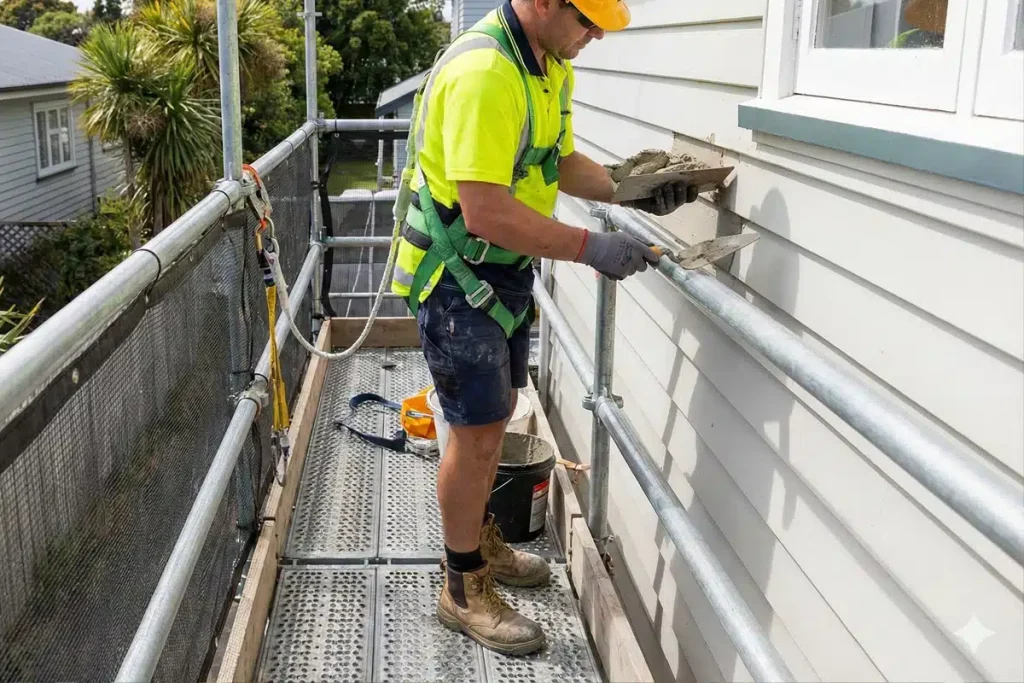
Homeowners and tradespeople both benefit from a lower chance of injury when using a solid access system. Workers can focus more on quality work and less on balancing, reducing errors and improving speed. Residential scaffolding ensures a steady structure that protects not just those using it but also anyone walking below.
Many injuries in construction occur because tasks are performed without adequate support. Installing a proper residential scaffold limits unexpected accidents and supports long-term health and safety. It’s often considered the safest method for roof or gutter repairs that require standing for long periods.
Easier Handling of Building Materials
One of the best (but often overlooked) benefits of residential scaffolding is how much easier it makes handling building materials. Renovating a home usually involves lifting heavy or awkward items. Scaffolding gives workers a stable platform for storing and moving these things, so they don’t have to keep climbing up and down ladders.
Here are some materials that are much easier to manage with scaffolding:
- Bricks and Mortar: These are heavy and tiring to carry. Scaffolding allows them to be stacked right where they are needed, saving workers time and energy.
- Roof Tiles: Tiles are fragile and complex to carry up a ladder. A scaffold platform provides a safe, flat surface for stacking them, making installation faster and reducing the risk of damage.
- Wooden Beams: Long planks of wood can be awkward to balance on a ladder. Scaffolding gives workers plenty of space to lay them out and secure them safely.
- Paint and Plaster: Painting high walls is messy work. Scaffolding offers a steady place to keep paint cans and trays within easy reach, preventing spills and helping achieve a smoother finish.
- Power Tools: Renovations require a wide range of tools. Instead of climbing down every time they need a drill or saw, workers can keep their equipment safely on the scaffold platform, making the job much faster.
Support for Roof and Exterior Repairs
The outside of a home, like the roof or high walls, is often hard to reach with just a ladder. Residential scaffolding provides the support needed to get to these tricky spots safely. Once set up, it gives workers easy access around corners, over uneven ground, and next to windows without any struggle.
Making Roof Repairs Safer. Fixing a roof requires a stable platform for both workers and their tools. Scaffolding offers a stable platform in all weather conditions.
- Safety: It reduces the risk of slipping or falling.
- Space: There is plenty of room for heavy equipment like drills and tile cutters.
- Efficiency: Workers can move freely around chimneys and gutters without having to climb down and move a ladder every few minutes.
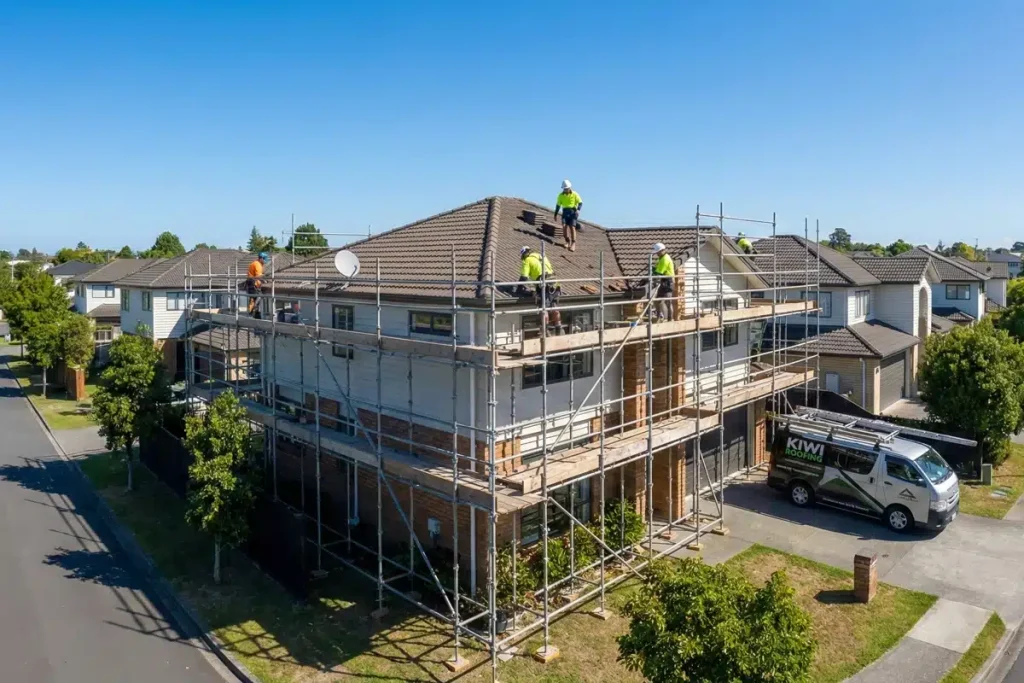
Updating Walls and Siding. When replacing weatherboards or updating a house’s exterior, steady support is essential. Residential scaffolding allows workers to move safely and complete the job without interruption. It remains the most reliable solution for homeowners tackling big upgrades on their property’s exterior.
Faster Project Completion with Stability
Scaffold structures reduce time spent on setting up ladders or adjusting unsafe positions. With strong platforms, multiple workers can carry out tasks simultaneously across different sections of the house. That means fewer interruptions and quicker progress in any stage of the renovation.
Stability also boosts confidence for tradespeople who rely on balance while working with tools. There’s less need to climb down between jobs or stop to reposition access points. Jobs like tiling, plastering, or painting move along faster when there’s complete ground-level preparation in place.
Faster results help homeowners return to daily life without long delays or stress. Having a well-supported scaffold system allows every trade to work with freedom and speed. That makes the entire renovation process more predictable and controlled from start to finish.
Cost Efficiency Through Fewer Delays
Renovations can become expensive when delays pile up due to poor access or repeated setups. A scaffold system avoids those problems by giving immediate access where it’s needed. It saves money by reducing labour time and avoiding extra hires to complete half-done tasks.
Project delays often happen when workers have to stop and reconfigure ladders or platforms. With scaffolding, they move directly between tasks without waiting for access to be made safe. That steady flow keeps things on schedule and avoids added labour or material expenses.
Hiring scaffolding may seem like an extra step, but it often prevents larger problems. Damage from falling items or unsafe steps can result in costly repairs or hospital visits. Using scaffold hire for home renovation in NZ offers clear value through reduced risks and smoother timing.
Adaptable Designs for Any Home Type
No matter the shape or size of a property, scaffold structures can be made to fit each project. Whether a house has narrow spaces, odd angles, or multiple levels, scaffolding is designed to adjust. That flexibility makes it ideal for both modern homes and older buildings with unique layouts.
Corner spaces, stairwells, and multi-storey homes need customised solutions that ladders cannot manage. With scaffolding, those designs are handled efficiently without additional machinery. Adjustable frames and modular components deliver better results even on the most complex projects.
Using a setup that suits the shape of a house avoids mistakes and improves quality. Painters, builders, and electricians all benefit from a platform that’s built to match each location. Residential scaffolding works well in urban areas or tight residential streets where space is limited.
Long-Term Value for Future Projects
Scaffolding is not only helpful for one project but becomes a future tool for regular maintenance. It gives homeowners a way to plan for painting, repairs, or outdoor upgrades with fewer concerns. Knowing access is safe and stable makes it easier to manage ongoing property care.
Proper support structures also reduce the risk of rework due to poor finishes or rushed jobs. With better balance and access, work is done well the first time, reducing the need for repeat fixes. That results in more consistent property value and fewer long-term repair costs.
The benefits of scaffolding for exterior house painting in NZ show how long-term planning helps keep homes in top condition. Having access to secure platforms for future upgrades gives homeowners peace of mind. It ensures reliable outcomes for years of home care and improvement.
Reliable Support for Every Residential Scaffolding Project
Safe access and smooth coordination are essential parts of any home renovation. With scaffold systems in place, homeowners and tradespeople reduce accident risks while improving project quality. Stable structures also allow faster task completion and lower costs across the full job timeline.
Residential scaffolding services cover all aspects of home improvement, from roof repairs to window updates. Strong platforms and flexible setups provide steady support in ways ladders cannot match. Jase Scaffolding offers dependable access solutions built for New Zealand’s housing needs, helping make every renovation more effective and secure.